
Sevier County's Owner-of-Record Card
The Recorder-Assessor Account Search describes a property account with owner, value, tax, legal, and abstracted document information. County GIS confirms the same vocabulary. Owner_Name, Parcel_Number, Situs_Address, and tax year all appear. The card's exact on-screen order is not published. The inventory below states only what the county says its systems hold, and it flags fields that still need deed confirmation.
| Owner_Name | Current indexed name attached to the parcel; confirm by deed |
|---|---|
| Mailing address | Destination for tax correspondence, which may differ from situs |
| Situs_Address | Physical location of the parcel |
| Parcel / Account | County identifiers used to cross-check the property |
| Legal description | Written location used to match the deed and tract |
| Last deed reference | Find and confirm in Recorder Document Search; exact card label unverified |
| Last sale date | Not confirmed as a visible account field |
The owner of record is simply the name carried by the public account. It says nothing about who lives there. Nor is a mailing address a claim about residence. Confirm the vesting and parcel description with a current recorded deed before relying on any present owner entry.
Confirm a Sevier County Current Owner
Start with the Assessor account. Then check the latest deed in the Recorder's index. Match the account's parcel number and full legal description, since a similar name or an old parcel reference can point to a different tract. Differing names deserve a closer look. Compare the recording date and the exact grantor and grantee roles before drawing any conclusion.
- Read Owner_Name and the parcel and account identifiers in the current Recorder-Assessor account.
- Use the Recorder's Document Search to locate the latest deed and open its full index details.
- Compare the grantee and legal description with the account, noting any entity name exactly.
- Check the tax year and mailing fields separately from the physical situs address.
- Owner of record
- The name displayed on the current assessor account.
- Vesting
- The way the deed states ownership is held.
- Situs / mailing
- The physical property location and the separate tax-mail destination.
- Recording lag
- The period before a new deed appears in another county data view; Sevier's exact interval is not stated.
Sevier County Owner Address Limits
The mailing address is a tax-record field. It is not proof of residence. Some owners route correspondence through an agent, a post office box, or a second home. Utah's Safe at Home program protects certain residents. It lets qualifying participants use a substitute address in government records. A missing or substituted address never means the parcel is unowned. Protected details should not be guessed from other public records either.
Use records lawfully. Sevier County owner information supports property diligence and public research. Do not use it to stalk, threaten, or harass anyone.
Sevier County Owner Field Sources
The county's Account Search description covers owners, value, taxes, legal details, and recorded documents abstracted to each account. GIS keeps Owner_Name apart from Situs_Address. That split is useful. Mailing lines sit apart too, so you can see which name holds a tax parcel and where the tax mail goes without confusing either field with occupancy.
The selected GIS layer records the county's owner and parcel fields. It is metadata, not a sample account.
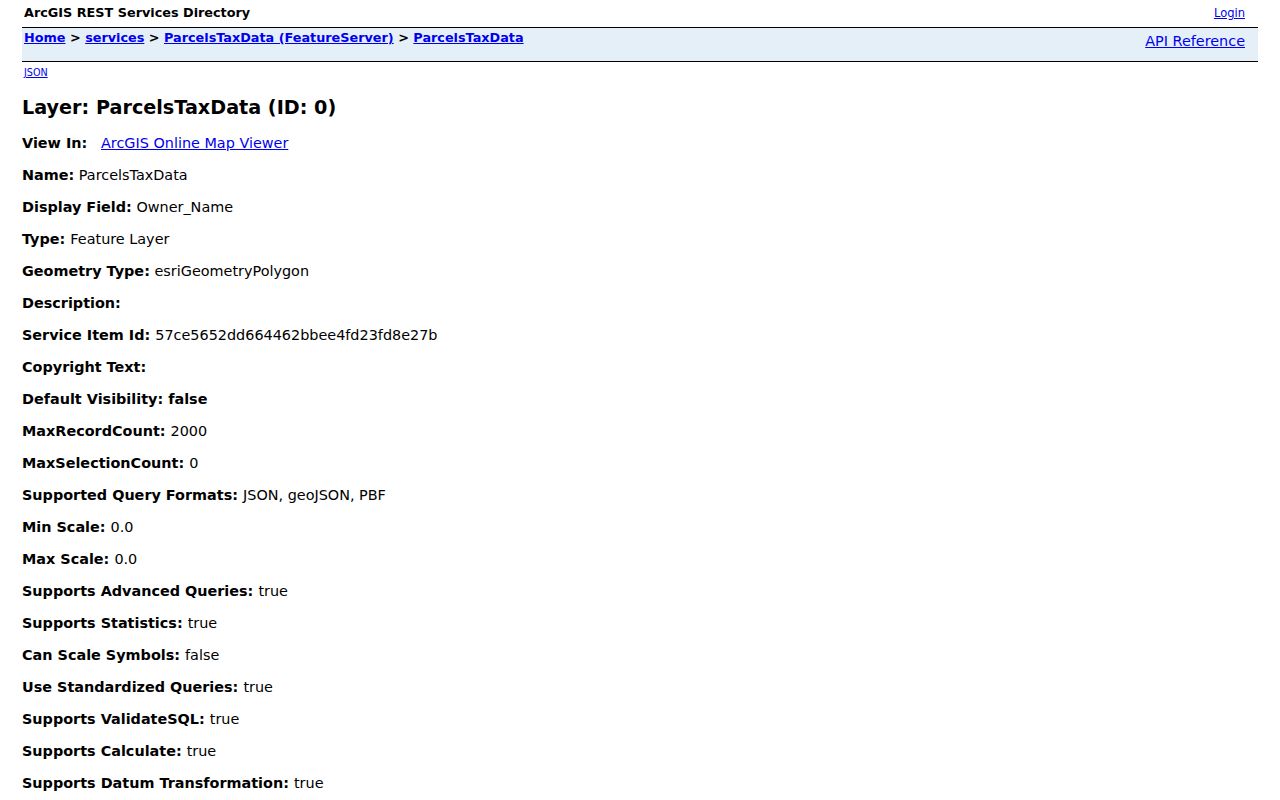
Check the live Account Search before trusting map-service fields.
Sevier County's Current Account Date
The Recorder-Assessor About page calls its property information current, with one exception. Taxable value is calculated for the current tax year. That distinction matters when an owner field and a tax number seem to carry different dates. The page is silent on deed timing. The exact owner-roll lag is unknown.
After a recent closing, pull the latest deed first. Confirm the grantee and the date against the account's owner field. Then see whether the account shows the same name. If it does not, ask the Recorder or Assessor whether the transfer was indexed to the parcel. A short-term mismatch is not proof that the deed failed or that the account is wrong.
Newest Deed for a Sevier County Owner
The newest recorded deed is the strongest proof of a current transfer. The Assessor roll can lag behind closing. Locate the instrument through the owner name. The account or parcel reference also works. The legal description works, too. Check that the grantee matches the party on the account. Confirm the described tract is the same property, too. A deed index result points to the filing. The image itself must be viewed at the Recorder's office.
Sevier County's own title warning still applies to a present owner check. A full title or lien search needs the office abstract tract indexes. The current owner entry is only part of the picture. The separate owner-finding method lays out the full route from address to deed. Build any prior transfer chain from each earlier grantor. Do not infer it from today's account.
Sevier County Entity Names on the Roll
A current owner name may be an LLC, corporation, trust, trustee, or personal representative. Copy the grantee exactly as written, suffixes included, and compare it with the Account Search entry. Utah's Division of Corporations and Commercial Code can supply entity status and registered-agent details when they appear in the filing. An agent is a contact, not proof of ownership. The deed still governs.
Estates and trusts raise their own questions. A public court case may explain an appointment or order. The recorded transfer remains the land instrument to confirm. The property account and Xchange serve different roles. One is not a replacement for the other.
Sevier County Parcel Changes and Owner Names
A parcel number belongs to the land, not the paper. Divide a tract, and the old number may fall away. The Recorder offers a caution. A deed recorded before May 30, 2006 often carries a parcel description or number that no longer matches the assessor's account. That gap is fixable. A present owner record can still be matched through the legal description, the subdivision, and the assessor map. Later instruments connect the tract to the current account.
Keep the older parcel reference in your record trail. Replacing it with the newest identifier can break the chain between deed and parcel. Sometimes the GIS polygon and the deed description carry different labels. Ask the Recorder how to cross-reference them. The Sevier County owner field only helps once it is tied to the correct land.
Confirming a Sevier County Account in Person
The Recorder's public index is free to search. Document images and complete abstract work run through the office. The Recorder's direct line listed in the portal is 435-893-0411. The Clerk/Auditor's county contact listing adds 250 North Main Street in Richfield. It also lists 435-893-0401 for routing county records. Call ahead to confirm office hours and copy procedures before you visit. Preparation saves a second trip.
When the portal leaves a record out, send a focused GRAMA request. Direct it to the agency that holds the item. Inspection is free under state guidance. Copying may cost something under policy. This route pays off for a missing deed reference. It also works when a historical owner cannot be identified from the current parcel number.
Sevier County Owner Privacy Limits
Public property fields do not open every personal detail. Utah GRAMA marks some records private, controlled, or protected. Safe at Home gives eligible participants a substitute address. Never copy a protected address from another record or infer someone's home from a mailing field. Keep the lookup on task. A current owner search should stay tied to the parcel and the recorded transfer that matters for a property decision.
Older owners need a different tool. For earlier title history, use the Sevier County former-owner chain and retain only the deed details needed to follow it. The current owner record is a snapshot of the county's account, nothing more.