
Find Who Owns Sevier County Property
One address leads to one owner name through three stops. Match the location to an Account Search result or a GIS polygon. Note the Owner_Name, parcel number, account number, and legal description. Then pull the latest deed from Document Search. Compare the grantee and tract description against the account. The tax roll shows who is indexed, while the deed confirms which transfer was recorded.
Sevier County's account system pairs property details with documents abstracted to a parcel. That helps when an address search comes back fuzzy, since the parcel number and legal description give firmer confirmation. A common name needs the same care. So does an LLC or a trust. Compare every key before calling any record a match.
- Search the situs address in Recorder-Assessor Account Search or locate the parcel on county GIS.
- Save Owner_Name, Parcel_Number, Account_Number, and the full legal description.
- Open Document Search and compare the newest deed's grantee and legal description.
- If a business entity is named, check its official Utah entity filing and match the full name.
Sevier County Sources for an Owner Name
Not every Sevier County system that shows a name carries the same weight. The Assessor's Account Search ties an owner to a parcel for tax work. The Recorder's grantor-grantee index points to recorded instruments. GIS repeats an owner display field for mapped parcels. Utah's business-entity search can explain an LLC or corporate name. It does not prove the entity owns that tract.
| Source | Owner Info It Gives | Access |
|---|---|---|
| Assessor account | Owner_Name, mailing, situs, value, and legal fields | Recorder-Assessor Web |
| Recorder index | Grantor, grantee, instrument type, date, and legal reference | Free index; image at office |
| Utah entity search | Entity status, registered-agent and filing details when shown | Division of Corporations |
| County GIS | Owner display field joined to a parcel polygon | Public parcel service |
An owner of record is not always the occupant. The mailing address is where tax bills go. The situs address is the physical site. In Sevier County, let the newest deed confirm a transfer, and treat the account name as an index value rather than a title opinion.
Limits of a Sevier County Owner Search
A public lookup cannot say who lives at an address. It cannot reveal a private agreement. It also will not confirm that every lien was cleared. A deed may vest the property in an LLC or trust. It can also name an estate rather than a person. Utah records law shields certain details. Safe at Home can substitute a qualifying person's government address. So a missing home address never means the parcel lacks an owner.
Use the result lawfully. Sevier County records are for property research, purchase diligence, and civic review. Do not use an owner name or address to stalk, threaten, or harass anyone.
Sevier County's Owner_Name Field
Sevier County's parcel service lists Owner_Name as its display field. Around it sit Situs_Address, Parcel_Number, Account_Number, Mailing_Address lines, the legal description, and value fields. Those neighbors help you tell an owner entry from the site or the tax-mail destination. The indexed value is not a verified occupant. Nor is it a full list of beneficial interests.
Owner_Name is an index, not a promise. A deed may name joint grantees, a trustee, an estate, or a business. The tax account often abbreviates or normalizes that name. Search the account for the parcel key first. Then inspect the document reference and legal description in the Recorder index. When a name changed recently, verify the recording date and instrument before treating the account display as a finished chain-of-title review.
A parcel result points to the account worth reviewing. The deed still has to confirm the current transfer. The selected parcel metadata illustrates the county's field structure; it is not an authenticated sample owner's record.
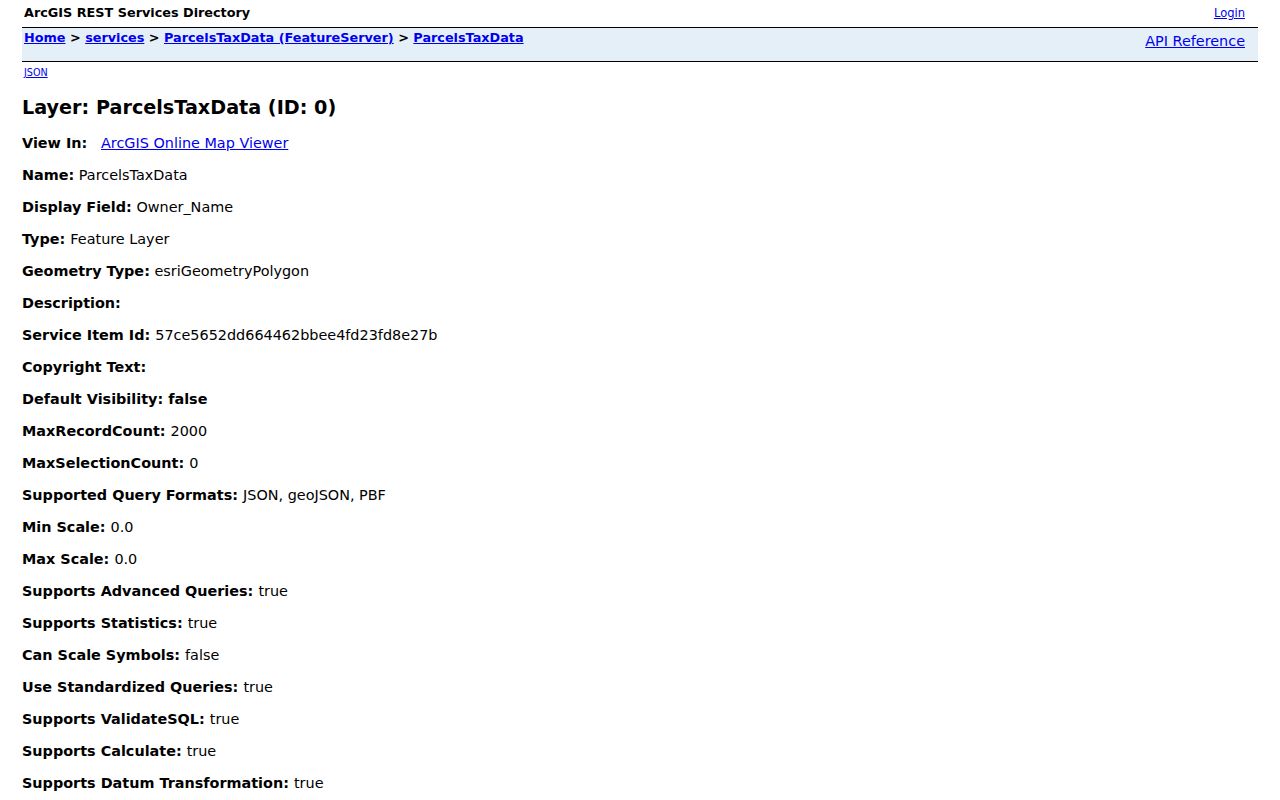
Use Owner_Name and the parcel keys as a route. They point to the source record that settles ownership, not the end of the search itself.
Confirming a Sevier County Owner by Deed
The newest recorded deed backs every owner-of-record entry. In the Recorder index, compare the grantee, recording date, instrument type, and legal description with the Assessor account. A bare name match can mislead. Common surnames, trusts, entities, and parcel splits all cause trouble. Sevier County sends image requests to the Recorder's office. Free index use does not promise free online images.
Want the instrument image itself? That takes a visit to the Recorder's office. A full title or lien search also requires the abstract tract indexes at the office. Older records need extra care. Documents recorded before May 30, 2006 may carry stale parcel descriptions or numbers. The Sevier County deed-records method covers the index and its limits in more detail.
Sevier County LLC, Trust, and Estate Owners
Not every deed names a person. The grantee line may list an LLC, a corporation, a trustee, or an estate. Utah's Division of Corporations and Commercial Code keeps the official entity lookup. An entity filing can show the legal name, status, and registered agent. Filing history may appear when those fields exist. It says nothing about land, though. An entity record never proves that a company owns a particular tract. To establish that, match the exact entity name. Also match the property's legal description to the Recorder filing.
Probate can also explain a changed Assessor owner field. Sometimes no sale happened at all. Public Xchange case information may list letters of appointment or court orders. The recorded executor or heir deed is still the stronger land-transfer reference. The public case index can run short. Sevier County Archives and Utah State Archives then hold older county and court series worth checking.
For trusts and estates, follow the trustee capacity exactly as the recorded document states it. Follow the representative capacity the same way. Confirm ownership through the instrument's grantor, grantee, date, and legal-description text. Do not rely on any single index line.
Sevier County Situs and Mailing Names
Sevier County parcel records carry two address types. The situs address is the physical property location. The mailing address shows where the tax bill and other tax correspondence go. The two often differ. An owner may use a post office box, a representative, or an address in another Utah county. A town name in a mailing field does not prove the municipal boundary. It does not prove where the owner lives either. The city label may seem uncertain. Use the county's parcel city and situs fields alongside the legal description.
Utah's Safe at Home program adds another wrinkle. It gives qualifying participants affected by abuse, stalking, or related harms a substitute address. Government mail is forwarded through it. An owner search may therefore show a protected address rather than a physical location. Do not try to infer a hidden address from a map or a related record. The Sevier County parcel and the deed remain the property sources.
Sevier County's Recorder Alert Route
The Recorder portal links to Fraud Guard, an account destination for property-recording alerts. The county does not publish the alert schedule, the fee, or the set of filings covered, so read any notification as a prompt to pull the official instrument. An alert does not stop a document from being filed, and it does not certify that a filing is valid.
A new owner name that appears unexpectedly deserves a closer look. Compare the recorded instrument and legal description with the parcel account. Then contact the Recorder through the county's listed phone or portal.
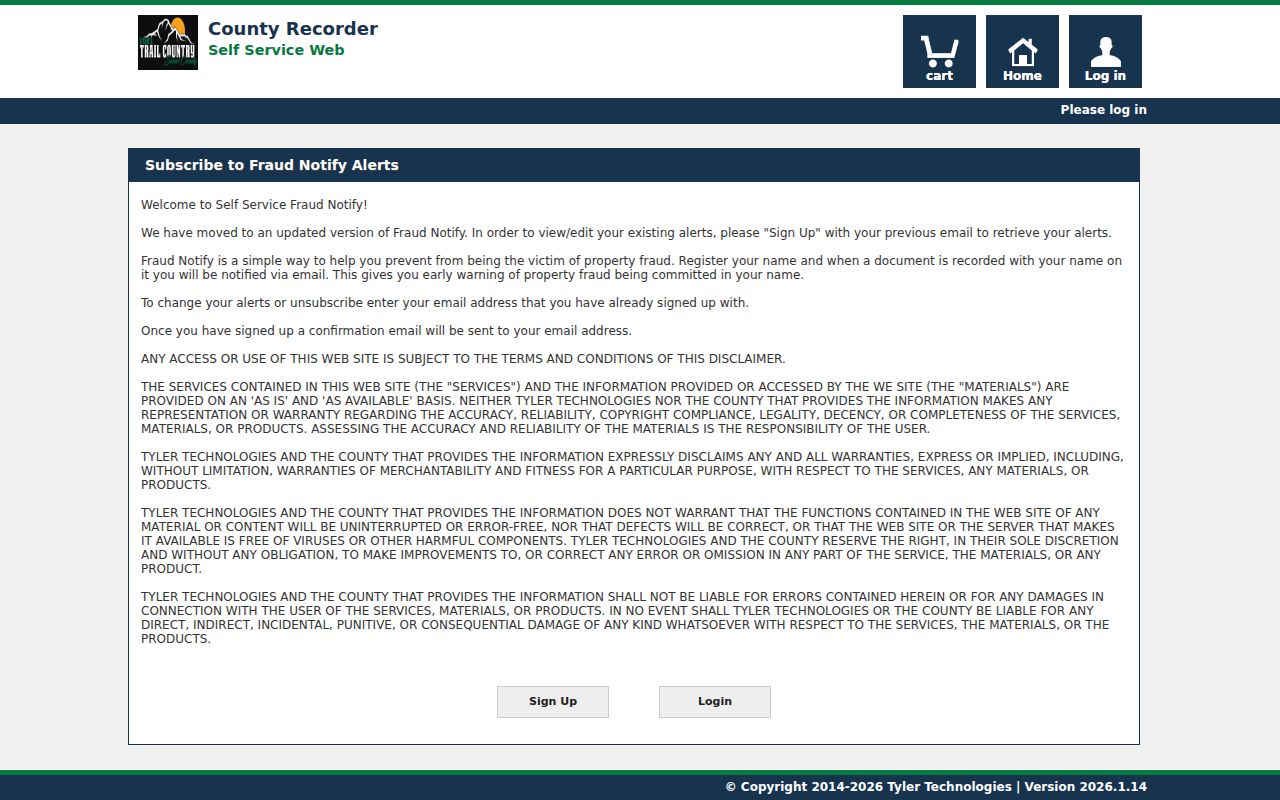
Note: Verify every alert against the County Recorder index and, when needed, the image or abstract at the office.
Requesting a Sevier County Ownership Record
When Account Search falls short, the Recorder's public counter, phone line, or a written request can produce the document or abstract reference you need. The Recorder can also help by phone. Written requests work too. GRAMA requests should go to whichever agency holds the record. Each request should describe the record with reasonable specificity. Inspection is free. Copying or preparing a nonstandard record may carry a cost under the agency's policy. The Clerk/Auditor routes county administrative records and records requests.
Historic house or family research works better with the Sevier County Archives Hub. The Hub can search and browse town, topic, person, book, and photograph collections. Items can be saved to a research list or gathered ahead of an in-person visit. City-directory, obituary, and cemetery coverage varies. So ask the archive about the collection and year range before relying on it.